
Introduction to AI Low-Code for Geotechnical Engineering
AI low-code is a development approach that allows engineers and professionals to build sophisticated AI-driven applications using visual tools like drag-and-drop interfaces and pre-built templates without actually coding.
Low-Code Apps: Lovable and Manus
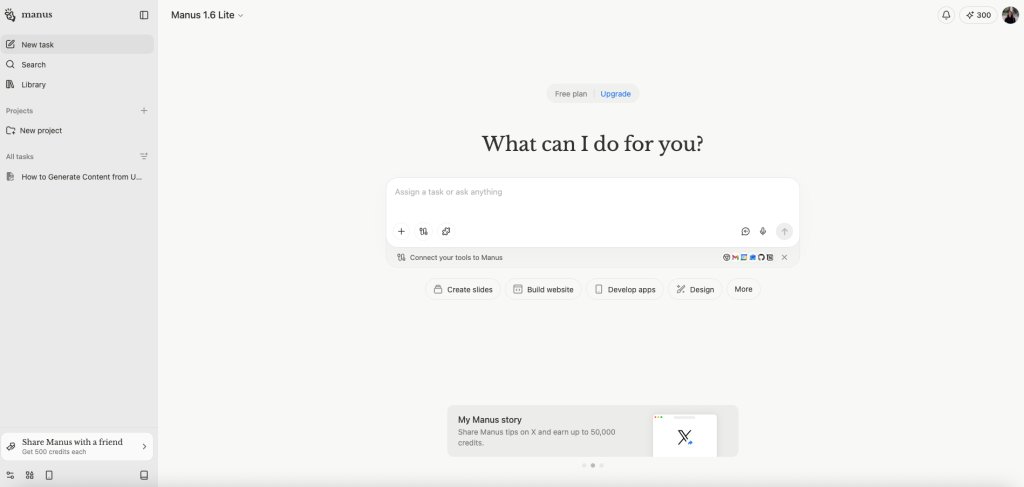
Several platforms exemplify this approach; some examples are Lovable or Manus, which are modern AI-powered platforms that allow users to describe what they want to build in natural language, and the AI generates the application structure and components by using tokens.
How the input looks:
Real-World Impact on Geotechnical Design
The geotechnical industry has long relied on spreadsheets, manual calculations, and repetitive workflows to solve complex engineering problems. However, a new wave of AI-powered low-code platforms is transforming this landscape, allowing engineers without coding expertise to build sophisticated automation tools without becoming full-time programmers.
The practical benefits extend across every phase of geotechnical work. During ground investigation interpretation, AI low-code apps can automatically process SPT data, derive soil parameters, and generate preliminary design recommendations. For foundation design, engineers can build interactive tools that calculate bearing capacity, settlement, and pile resistance while checking multiple design codes simultaneously.
Perhaps most importantly, these platforms democratise automation. You no longer need to be a Python expert or software developer to create powerful engineering tools, and the low-code interface handles the complexity. At the same time, you focus on the engineering logic.
A Practical Example of an AI-Low-Code App
I’ve been developing AI low-code using Manus specifically for geotechnical workflows, making advanced automation accessible to every engineer on the team. The approach combines the flexibility of custom development with the speed and simplicity of pre-built components.
How the result looks:
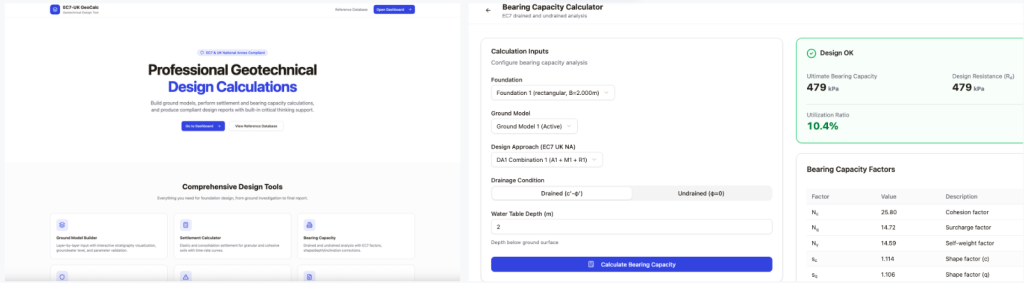
See how the app I created works here and try it yourself online: https://geocalc7uk-rdphinhl.manus.space/
Looking Ahead
As these platforms mature, we’ll see geotechnical engineering teams spending less time on data manipulation and more time on what really matters: understanding ground behaviour, optimising designs, and making informed engineering decisions. The technology isn’t replacing engineers—it’s amplifying our capabilities and allowing us to work at a higher level.
The question isn’t whether AI low-code will impact geotechnical engineering, but how quickly we can adapt these tools to transform our daily practice.
What’s your experience with automation in geotechnical design? How could low-code platforms help solve challenges in your projects? Share your thoughts in the comments below.